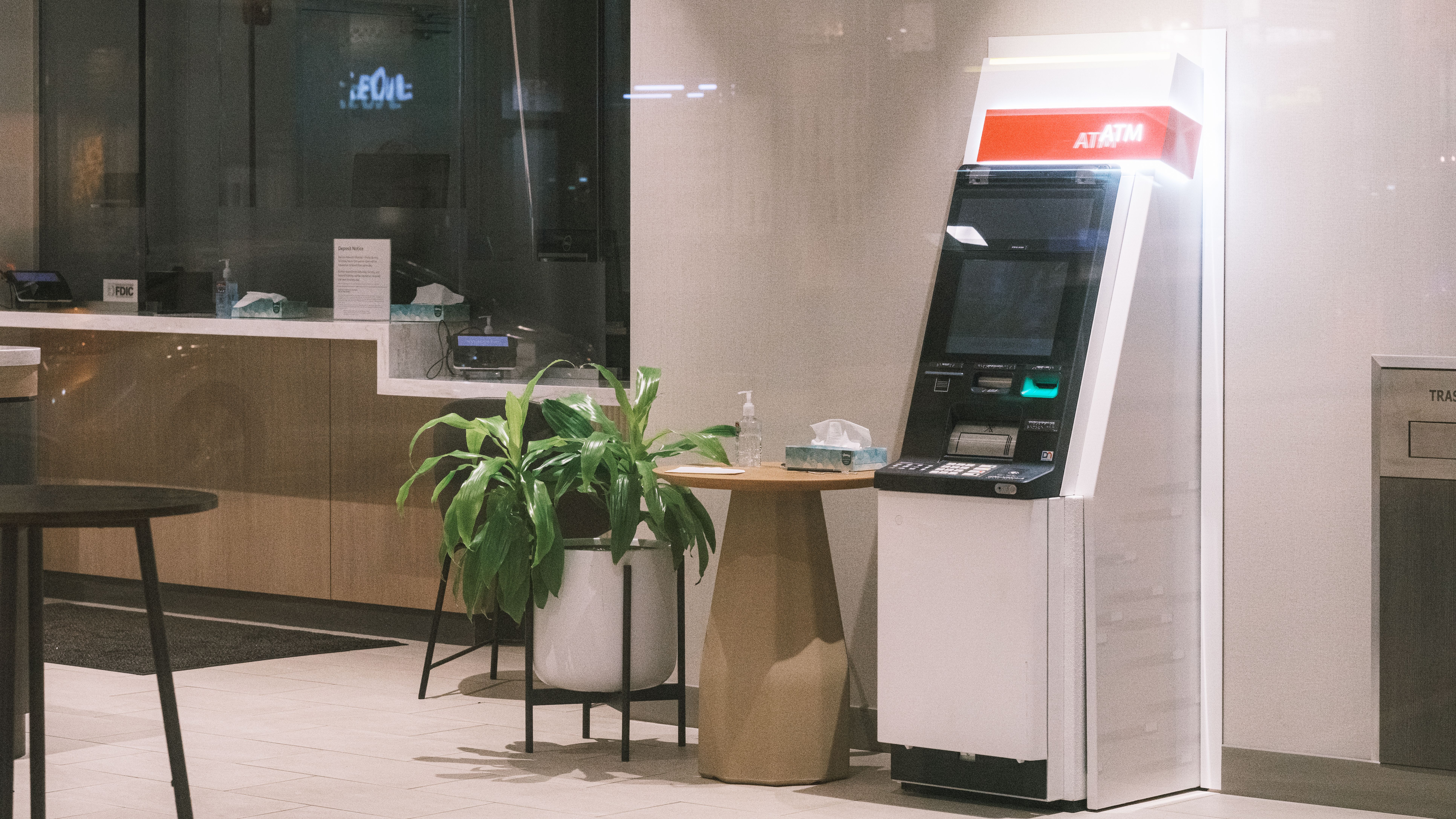
Rethinking the Role of the Branch
Why it mattered: As everyday banking moved to digital channels, branches needed a clearer purpose beyond routine transactions. Customers still visited branches to resolve issues, complete important processes, or seek financial advice that was difficult to provide through digital channels alone.
What we learned: Working with a team of 2 service designers, 1 researcher, and 1 UX designer, we studied how retail, business, and wealth customers used branch services, and how branch employees delivered them. I guided the sensemaking process, turning observations, interviews, branch visit tickets, and journey maps into opportunity areas around consultation, service consistency, staff support, branch atmosphere, and the physical environment.
What we shaped: The work helped the team build a backlog of branch innovation ideas, including advisory experiences, lifestyle or banking-adjacent services, events, and assisted or self-service digital tools. I worked with senior UX designers to turn selected ideas into service concepts, user flows, and low- to mid-fidelity prototypes for testing and prioritization.
Fixing Friction in High-Volume Branch Processes
Process focus: Some branch work focused on improving routine but high-volume processes such as account opening, onboarding, KYC data collection, mobile banking activation, verification, and queueing.
What we studied: My role was to help the team observe, document, and visualize these processes in real branch environments. We used task analysis and root cause analysis to identify hidden workarounds, connectivity issues, tool limitations, unclear error messages, bottlenecks, and moments where staff workload increased because the process or system did not fully support the task.
What we recommended: The work led to recommendations such as new systems, digital tools, UI improvements, clearer error messages, and workflow changes to help staff capture customer data faster and more accurately while reducing operational risk.
